


 Eugene Miguel Lim
The classic Makati dining district still has character, but BGC and the rest of Metro Manila are giving Japanese food lovers more reasons to look elsewhere.
For years, the answer felt automatic. If someone wanted authentic Japanese food in Metro Manila, Little Tokyo in Makati was one of the first places recommended.
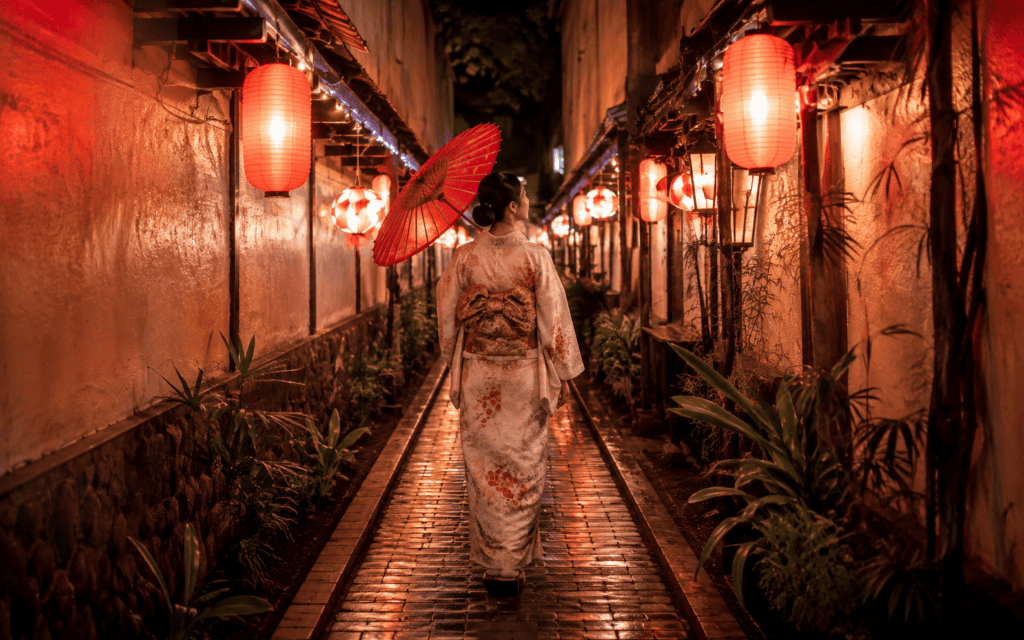
Its compact compound and surrounding stretch along Chino Roces Avenue offered something difficult to recreate inside a mall: narrow passages, glowing lanterns, small dining rooms and several Japanese restaurants close enough for an unplanned food crawl.
But in 2026, the answer is no longer as simple.
Japanese dining has expanded across Metro Manila. BGC now has imported concepts and a Japanese-inspired mall. New restaurants have opened elsewhere in Makati. San Juan has welcomed a modern Japanese name from Singapore, while the first Michelin Guide selection for the Philippines has directed attention to Japanese restaurants outside Little Tokyo.
Then one of Little Tokyo’s familiar names closed.
Hana’s Closure Marked the End of an Era
Restaurant Hana officially closed on March 24, 2026 after 16 years of operations.
According to its announcement and subsequent reports, the decision was influenced by rising costs, aging equipment and safety concerns following robberies involving Japanese nationals. The owners also warned customers that they had no plans to reopen under another name.
Hana was only one restaurant, so its closure does not mean Little Tokyo itself has closed. However, it was a reminder that the district is changing while newer Japanese dining destinations are growing elsewhere.
Read more about Hana’s closure.
What Little Tokyo Still Does Better
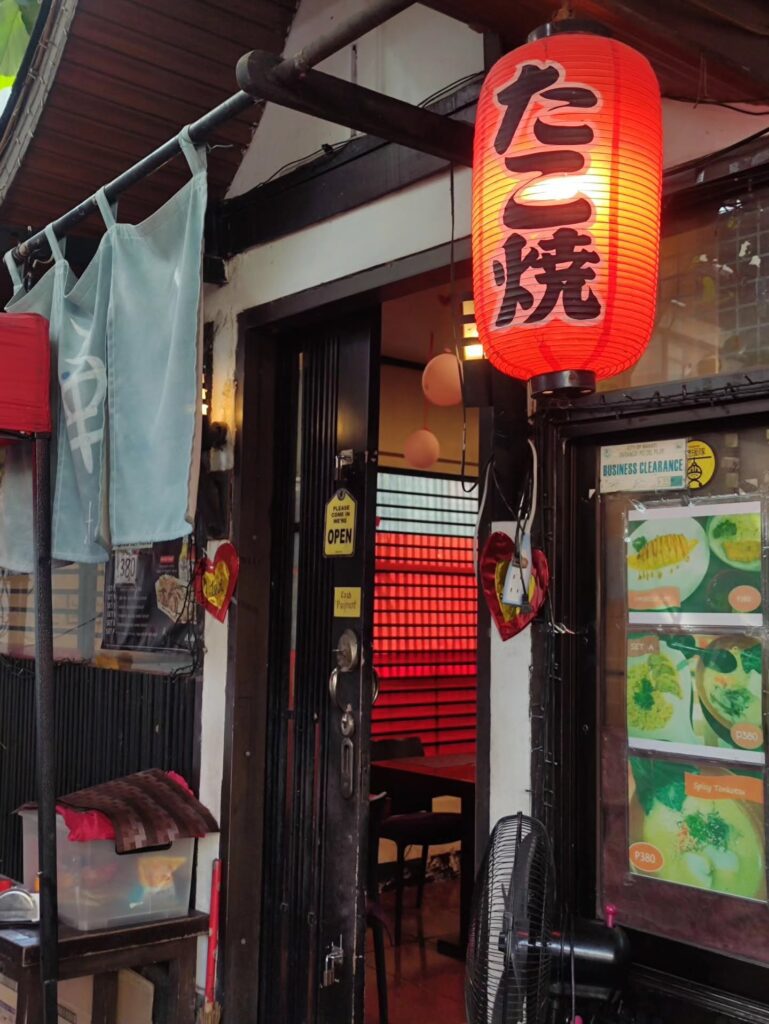
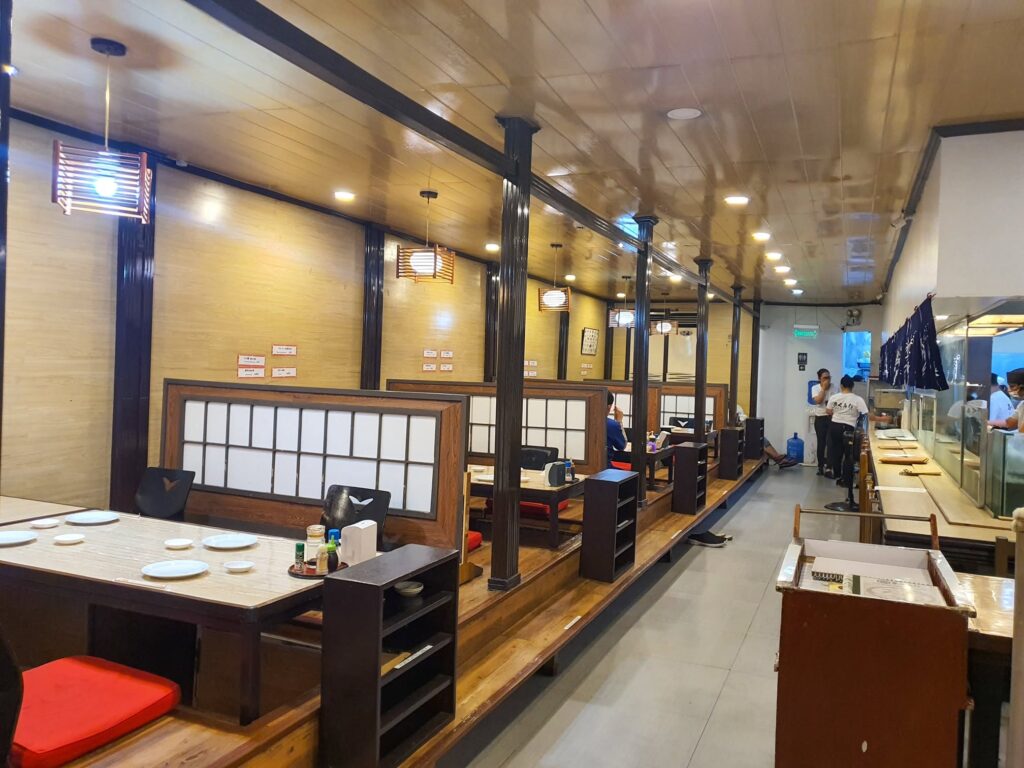
Little Tokyo has not suddenly become irrelevant. In fact, its imperfections remain part of its appeal.
Restaurants such as Izakaya Kikufuji, Shinjuku Home of Authentic Ramen, Seryna, Sekitori and other long-running names around the area continue to attract diners looking for sushi, sashimi, ramen, yakitori, yakiniku and Japanese set meals.
The district still works best for people who want:
- An old-school izakaya atmosphere
- Several Japanese restaurants within walking distance
- Casual meals without the polished feeling of a luxury mall
- Familiar dishes and restaurants that have built loyal followings over the years
- A nostalgic Makati food trip that feels different from BGC or Ortigas
Parking remains one of its practical weaknesses. Spaces near the restaurants can be limited, although nearby mall parking may be an alternative. Some establishments also maintain separate lunch and dinner schedules, so checking current opening hours before visiting is advisable.
BGC Is Now the Strongest Modern Challenger
If Little Tokyo represents old-school Japanese dining in Metro Manila, BGC increasingly represents the new version.
The biggest advantage is variety. Japanese restaurants are spread across Mitsukoshi BGC, Uptown Mall, Bonifacio High Street and the surrounding residential and commercial blocks.
The area is easier to turn into a full-day destination because diners can combine a meal with shopping, coffee and other activities.
Mitsukoshi BGC Offers the Best One-Stop Experience
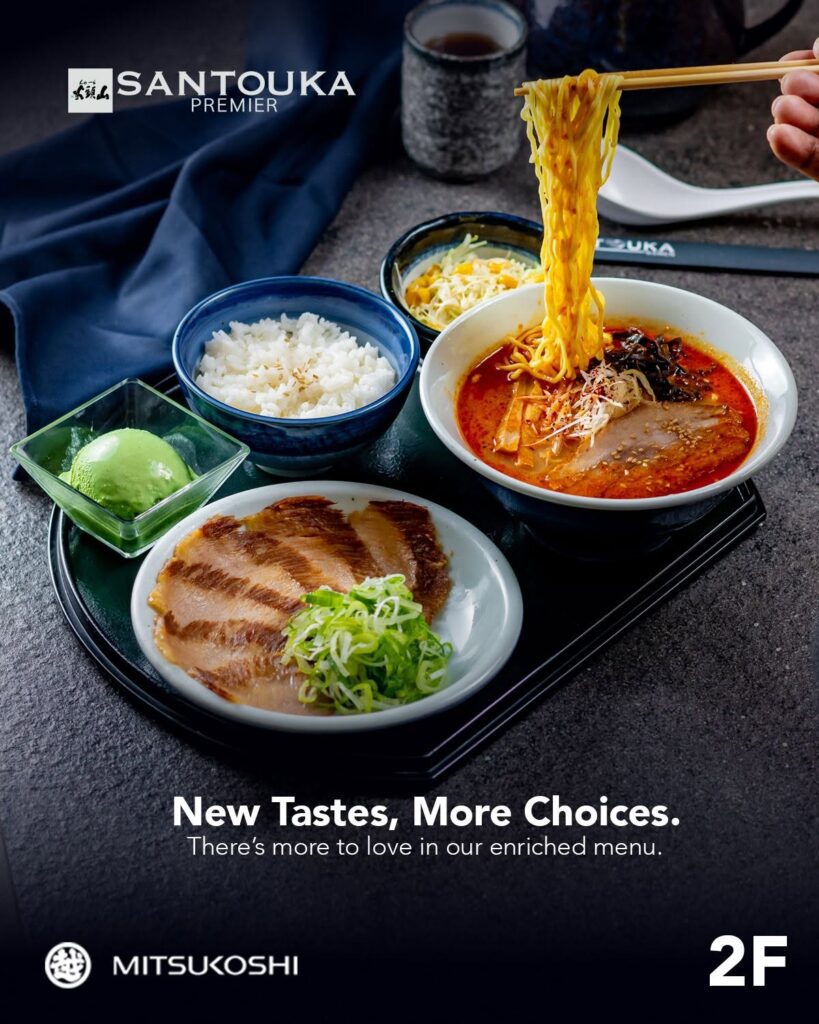
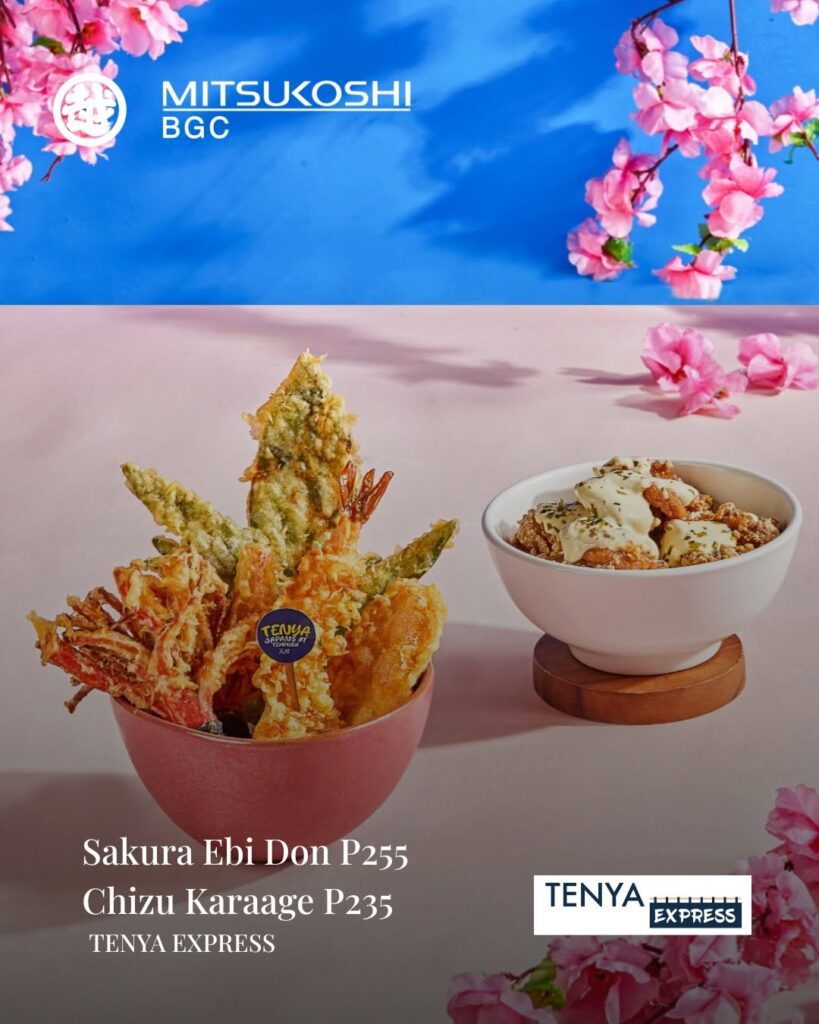
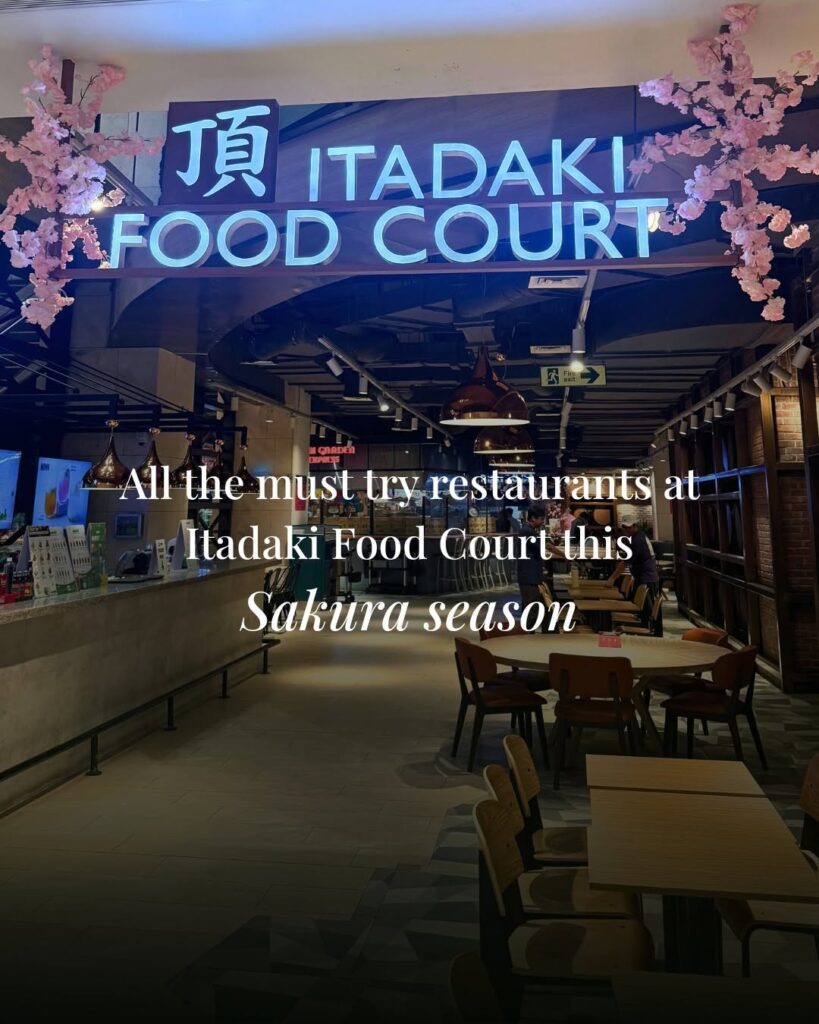
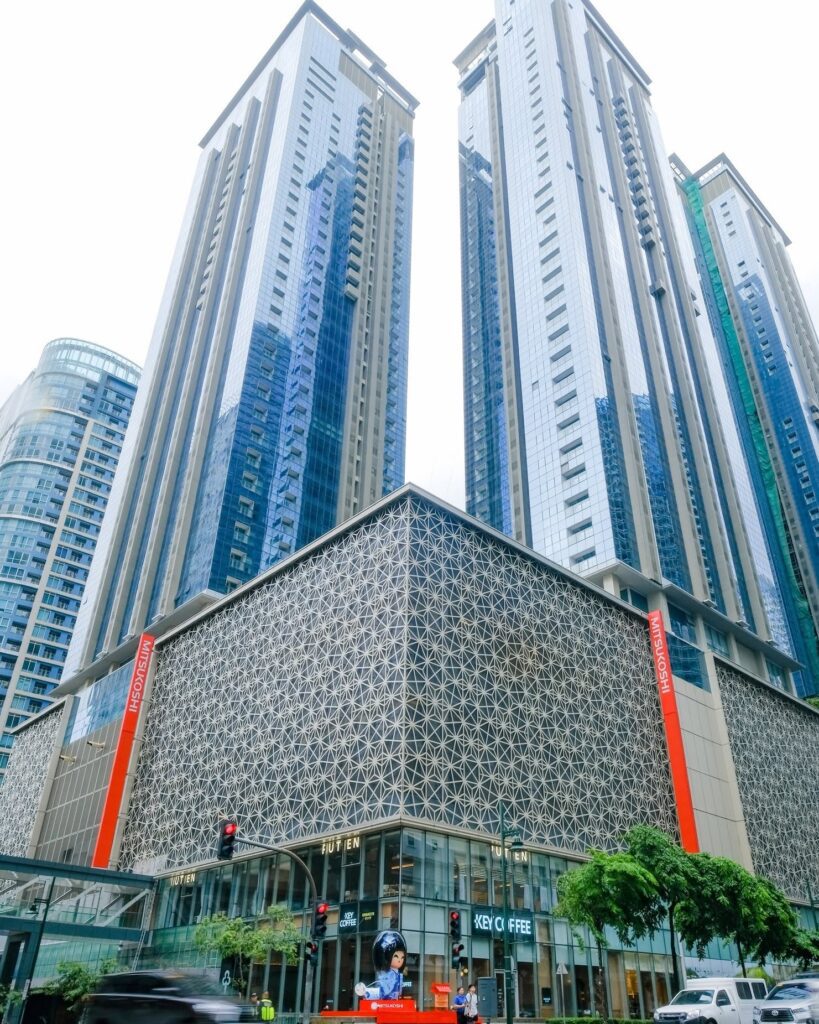
Mitsukoshi BGC is the Philippines’ first Japanese-inspired lifestyle mall. Its Japanese restaurants, Itadaki food court and Mitsukoshi Fresh supermarket make it the closest thing Metro Manila currently has to a modern, all-in-one Japanese food destination.
One of its biggest recent additions is Ipponyari. The restaurant built a following in the South before opening a large BGC branch in late 2025.
Its broad menu includes sushi, sashimi, ramen, tempura, curry, grilled dishes and rice bowls, making it practical for families or groups with different cravings.
Mitsukoshi does not have Little Tokyo’s intimate alleyway atmosphere, but it wins in comfort, parking, weather protection and the ability to find Japanese food, desserts and grocery products in one building.
Hikiniku To Come Turned One Dish Into an Experience
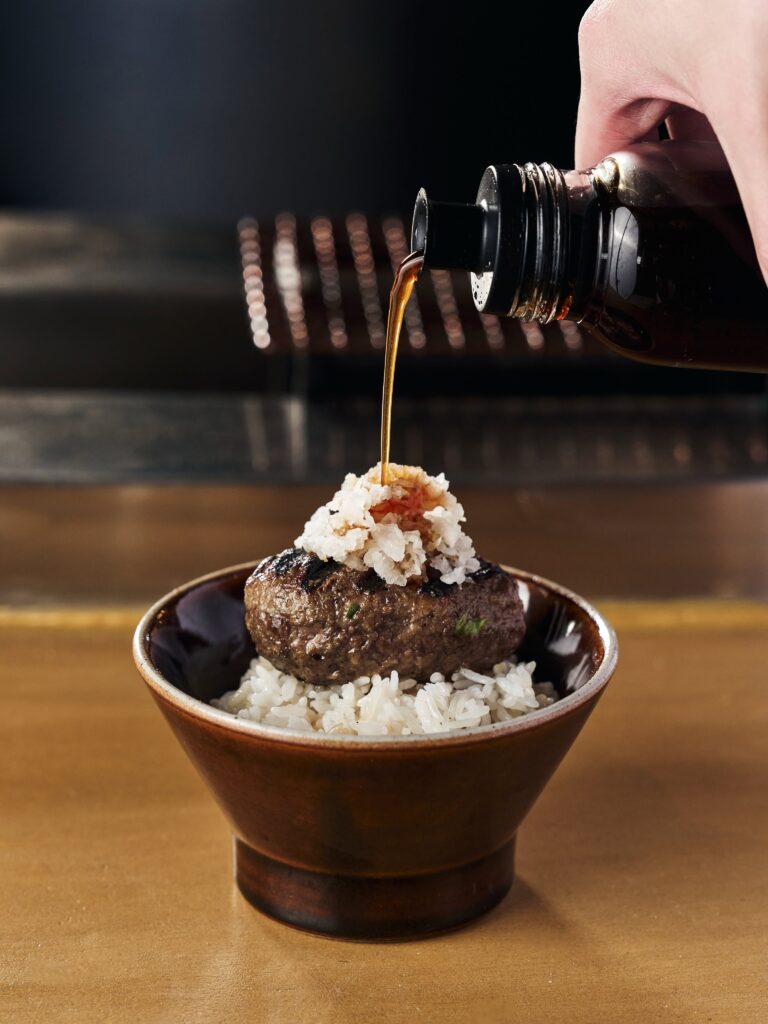
At Uptown Mall, Hikiniku To Come focuses on charcoal-grilled hamburg steaks served directly over hot rice. Beef is ground in-store and cooked in front of customers around a counter-style grill.
The Japanese brand opened its first Philippine location in BGC on October 24, 2025, but it remains one of the most talked-about newer Japanese concepts heading into 2026.
A second Philippine branch at SM Megamall was announced with a target opening in September 2026, subject to schedule changes.
Unlike the extensive menus associated with many Little Tokyo restaurants, Hikiniku To Come is built around a focused specialty and a more structured dining experience.
Visit the official Hikiniku To Come BGC page.
BGC also gives diners access to restaurants such as Keizo, Kei, Iai, Shiraishi of Tokyo and Uma Nota. These range from casual Japanese favorites and yakitori to omakase and contemporary Japanese-Brazilian cuisine.
Makati’s Japanese Scene Has Expanded Beyond Little Tokyo
The more accurate conclusion may be that Makati remains Metro Manila’s Japanese food capital, but Little Tokyo no longer contains all of its most interesting restaurants.
Serious Japanese dining is now spread across Chino Roces, Arnaiz Avenue, Legazpi Village, Salcedo Village and Valero Street.
Takumi Brings Warayaki and Robatayaki to Arnaiz Avenue
Takumi Japanese Restaurant at Windsor Square is one of Makati’s notable 2026 additions.
Its menu highlights warayaki, a dramatic straw-fire grilling method, and robatayaki, which uses charcoal grilling to bring out the flavor of seafood, meat and vegetables.
The restaurant also serves sushi, sashimi and premium O Omi Wagyu. Its larger dining room and private rooms make it a more polished option for celebrations, business dinners and diners who want to watch traditional Japanese grilling techniques in a contemporary setting.
Visit the official Takumi Makati page.
The BWB Makati Moves Japanese Yakiniku Into Luxury Territory
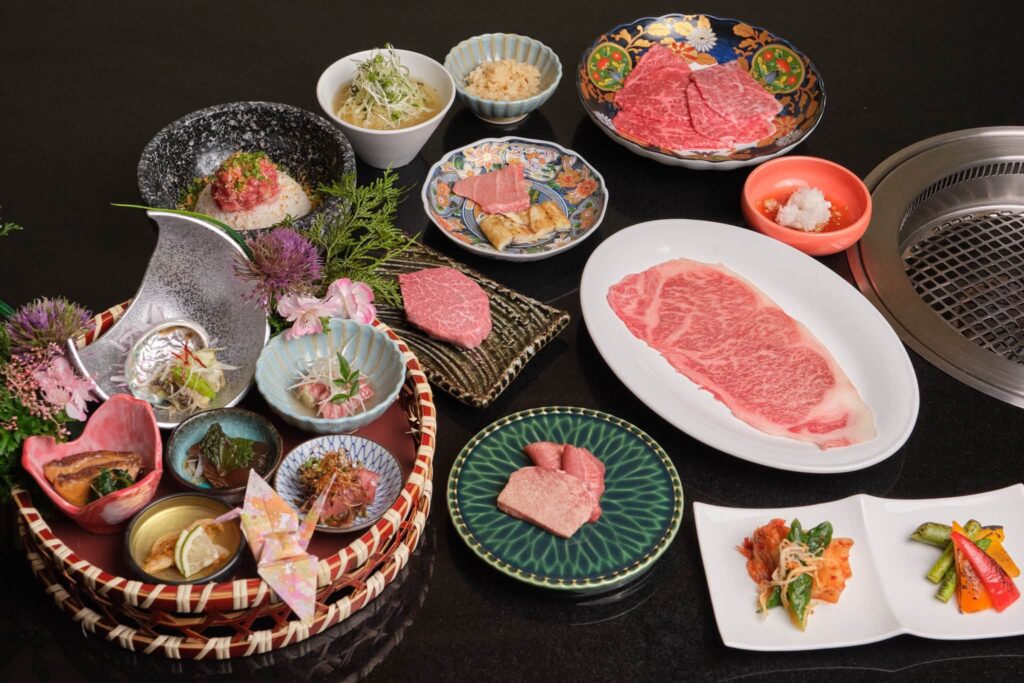
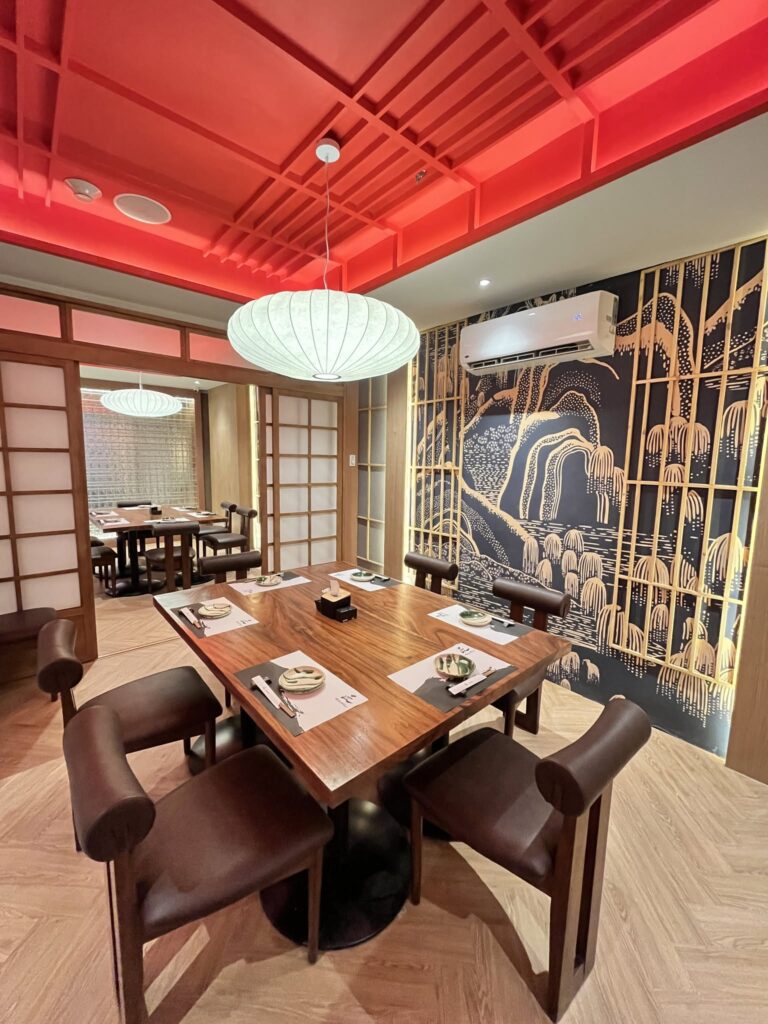
Along Valero Street, The BWB Makati offers an intimate Japanese yakiniku experience centered on authentic A5 Wagyu and highly structured course menus.
This is not positioned as a casual replacement for Little Tokyo. The restaurant has limited seating, premium ingredients and course prices that can reach five figures per person.
It is better suited to special occasions and diners who want Japanese hospitality delivered at a luxury level.
Visit The BWB official website.
For more casual Japanese meals, Makati also has established names such as Tsukiji, Tsumura, Sugi, Kazunori and Hiro Japanese Yakiniku, together with newer options such as Nichijo at The Beacon.
The Underbelly, located along Chino Roces Avenue, received a Bib Gourmand in the 2026 Michelin Guide for its ramen and good-value cooking.
San Juan Has a Modern Japanese Alternative
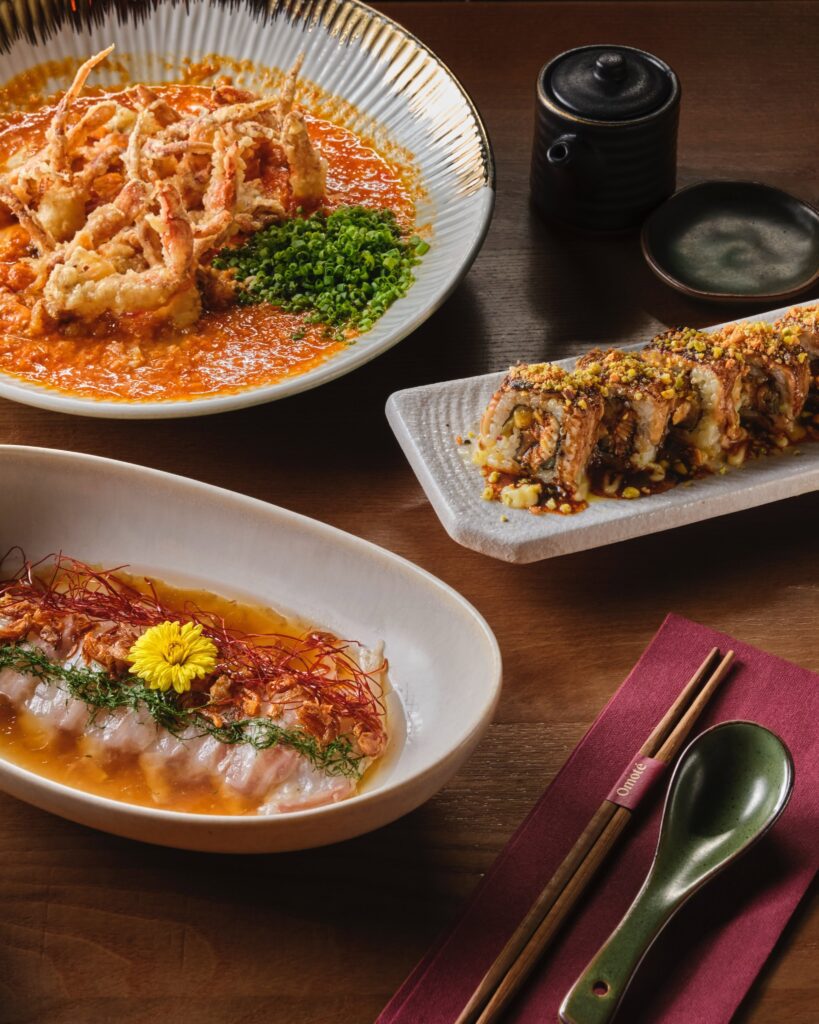
Omoté arrived in San Juan from Singapore and quickly became one of the area’s most talked-about Japanese restaurants going into 2026.
The restaurant serves familiar sushi, sashimi, donburi and chirashi alongside more contemporary creations such as nori tapas, foie gras kushiyaki and spicy lobster chirashi.
Its location along V. Ibanez Street makes it a useful alternative for diners coming from San Juan, Quezon City or Ortigas who do not want to travel to Makati or BGC.
The mood is more modern and date-friendly than Little Tokyo, while the menu offers enough approachable choices for groups.
View Omoté Philippines on Instagram.
Michelin’s 2026 Guide Points Diners Beyond Little Tokyo
The arrival of the Michelin Guide in the Philippines gives diners another way to evaluate Metro Manila’s Japanese restaurants.
Little Tokyo remains culturally significant, but Japanese restaurants recognized in the 2026 guide are located across Makati, BGC, Pasay and Parañaque.
Among them are:
- The Underbelly, Makati: Bib Gourmand for ramen and good-value cooking
- Ginza Nagaoka, Okada Manila: An intimate sushi counter with premium seafood sourced from Japan
- Yamazato, Hotel Okura Manila: Traditional Japanese dining with kaiseki, sushi and teppanyaki
- Umu, Dusit Thani Manila: Sushi, sashimi, tempura and private teppanyaki dining
- Iai, BGC: Omakase combining Japanese precision with Filipino influences
- Kei, BGC: Casual Japanese dining focused on maki and sashimi
- 12/10, Makati: Creative and contemporary interpretations of Japanese cuisine
- Kodawari, Salcedo: Japanese-inspired comfort food in a casual setting
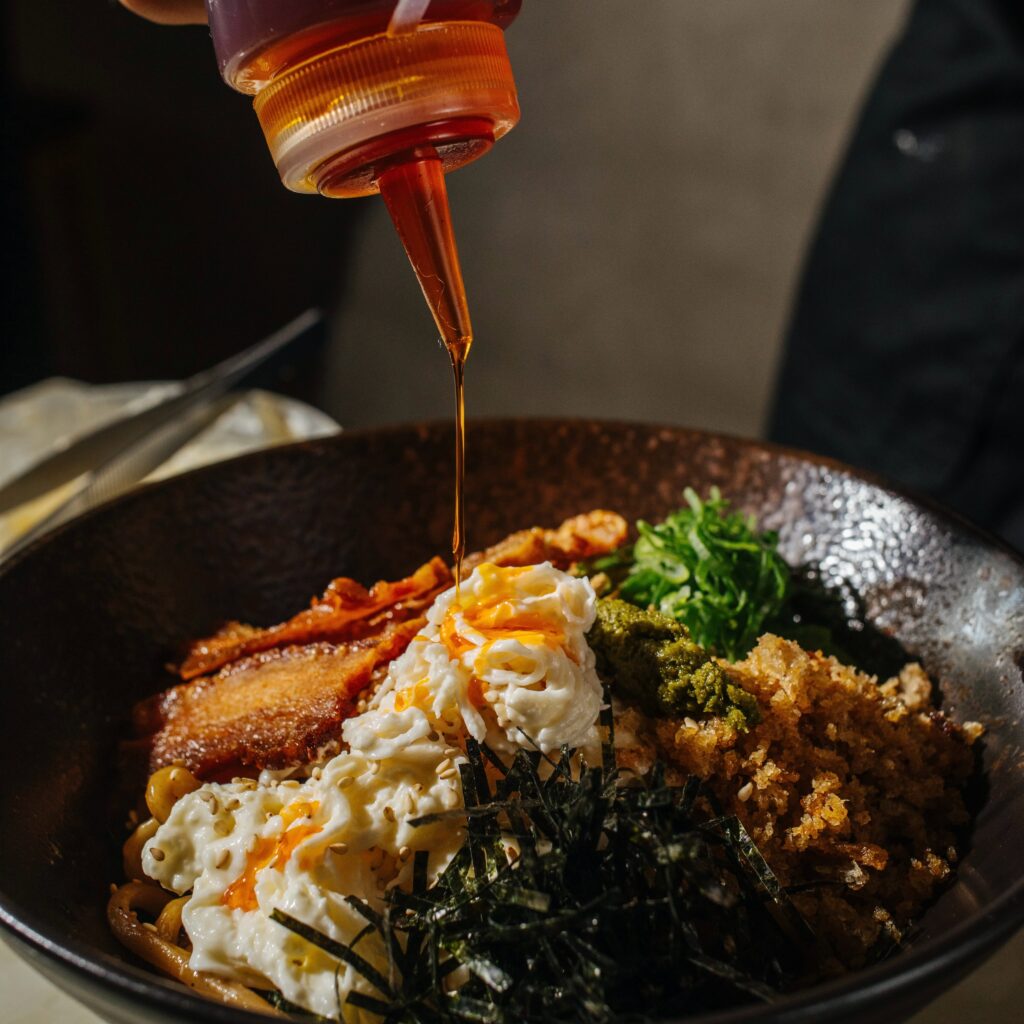
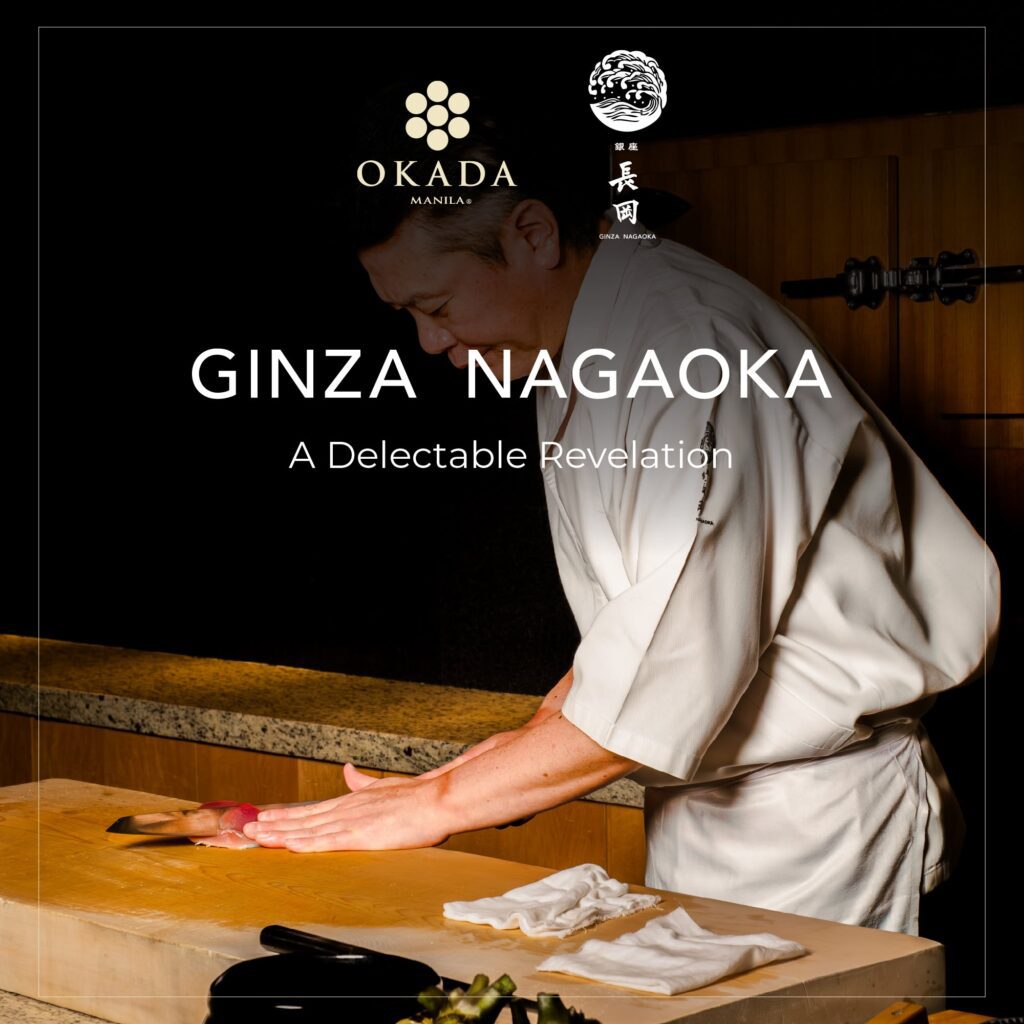
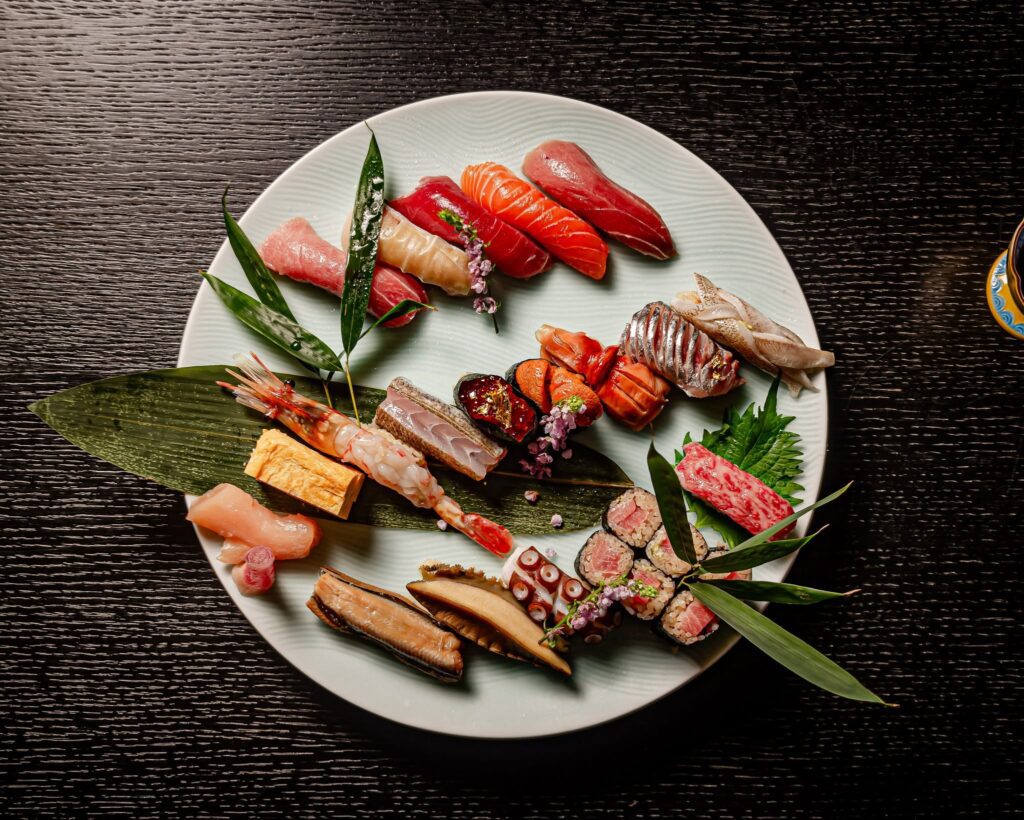
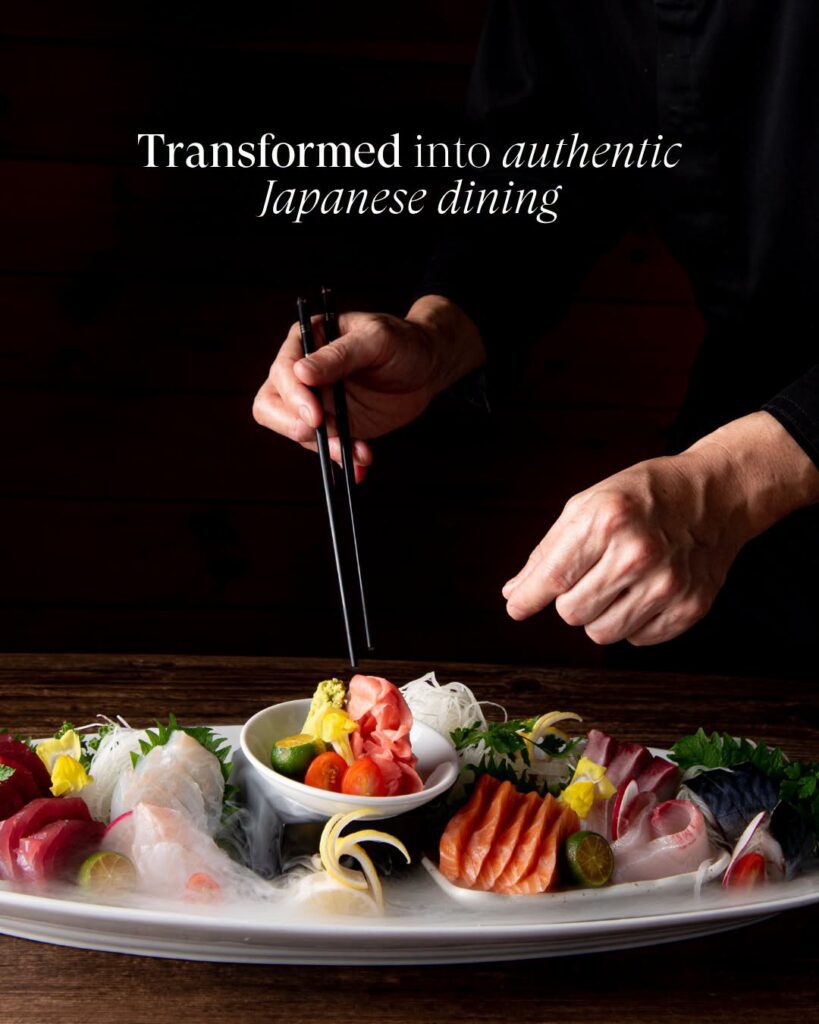
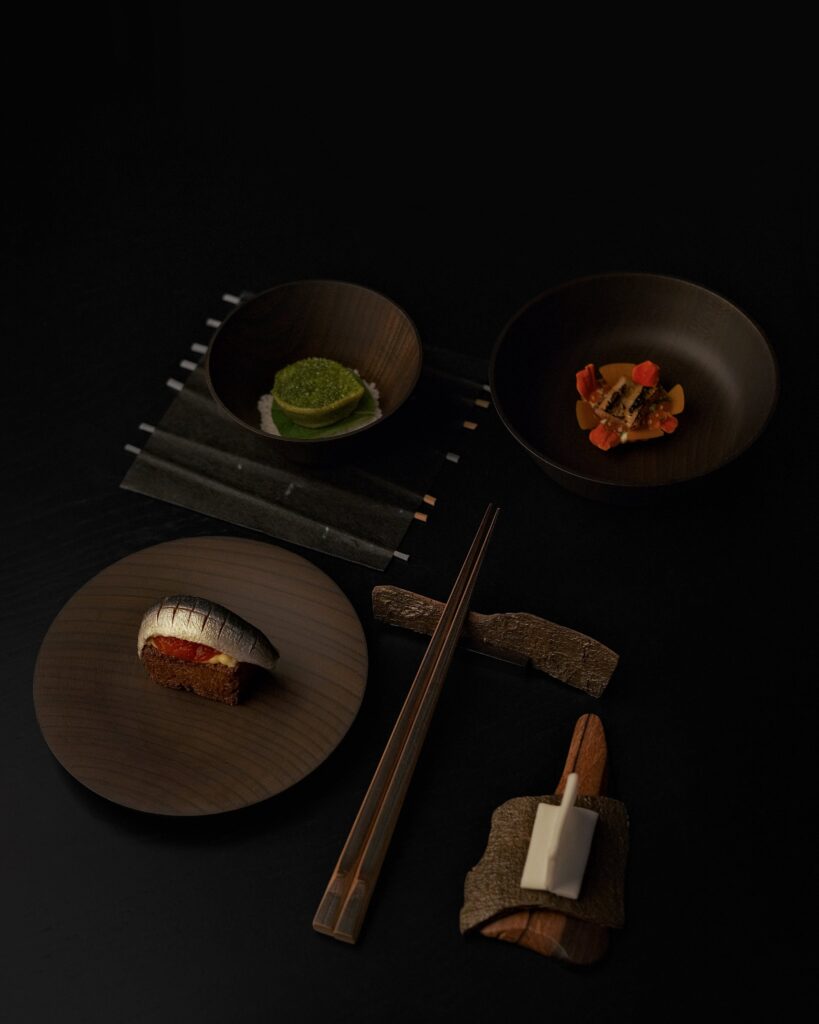
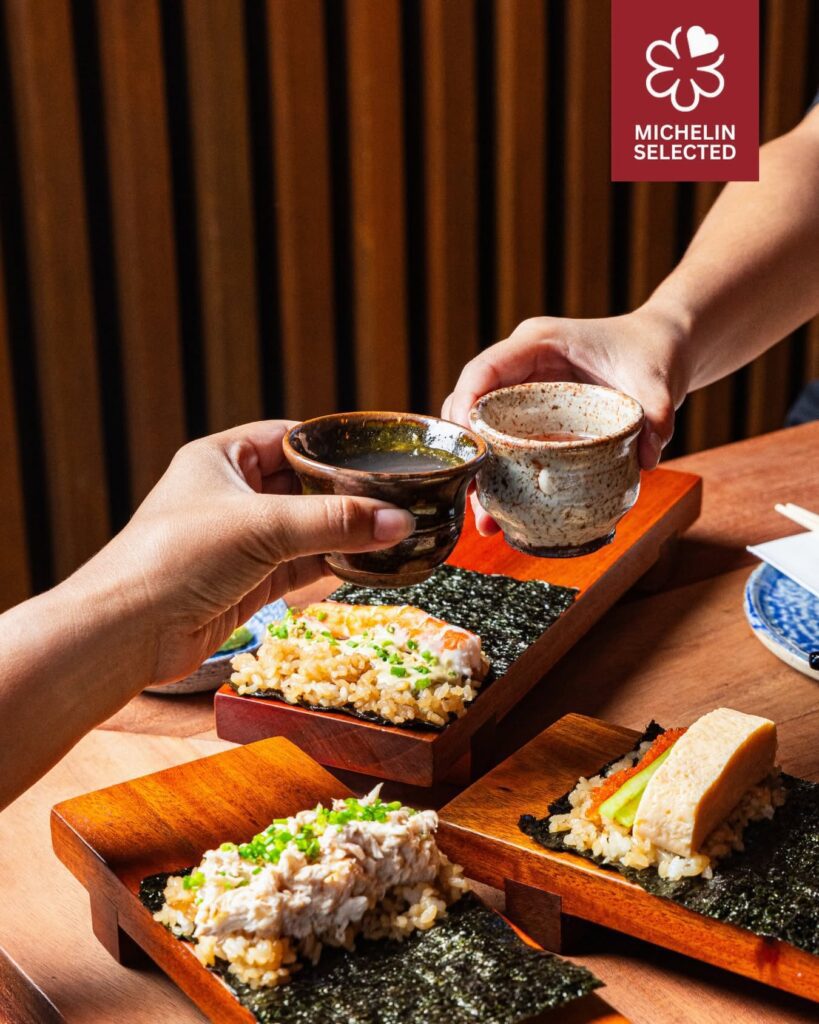
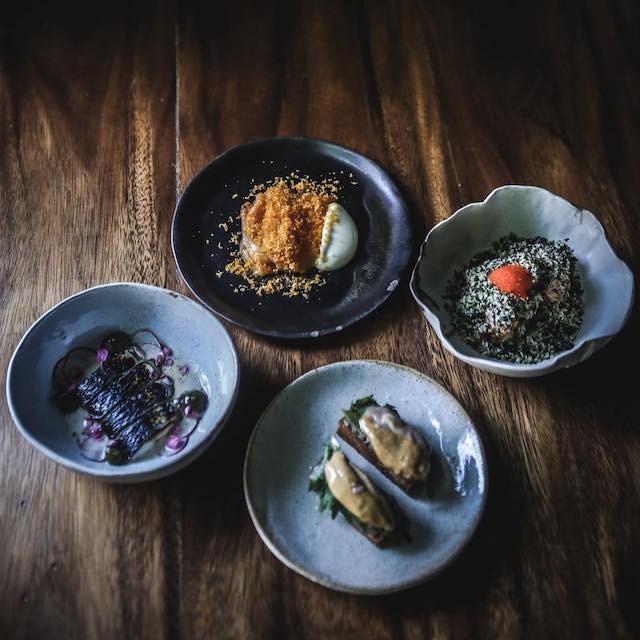
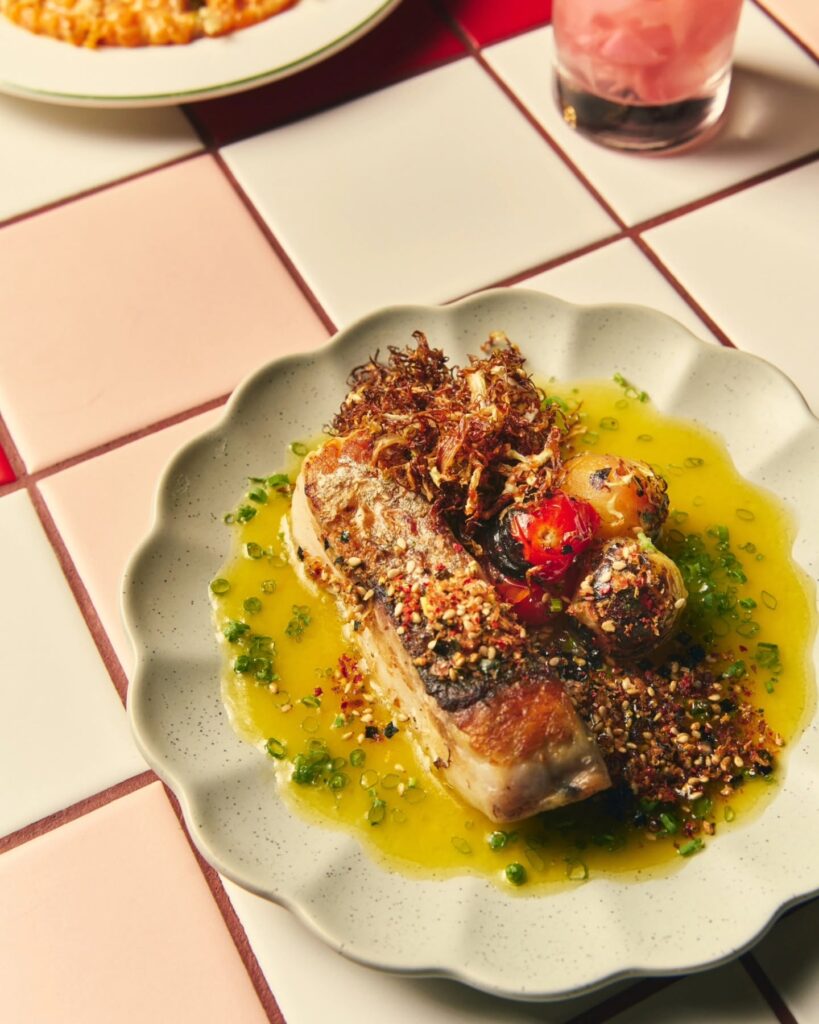
The 2026 Michelin Guide recognizes Japanese restaurants across Makati, BGC, Pasay and Parañaque. Photos courtesy of the respective restaurants.
These restaurants do not necessarily replace Little Tokyo. Most serve a different purpose, particularly for omakase, hotel dining, chef-driven menus or special occasions.
Their recognition does show how widely Metro Manila’s Japanese dining scene has expanded.
Browse the official 2026 Michelin Guide selection.
Where Should You Go for Japanese Food in 2026?
There is no single replacement for Little Tokyo because each area now offers a different version of Japanese dining.
Choose Little Tokyo if you want old-school character, casual izakaya dining and several long-running restaurants close together.
Choose BGC if you want new Japanese imports, specialty concepts, easier parking and a full day of dining and shopping. Mitsukoshi BGC is currently the strongest one-stop option.
Choose greater Makati if food quality and variety matter more than having everything inside one compound. Many of the city’s most established and ambitious Japanese restaurants are now spread across several neighborhoods.
Choose San Juan if you want a contemporary Japanese restaurant closer to Quezon City and Ortigas.
Choose Newport or Entertainment City if you are looking for premium sushi, traditional hotel dining or a special-occasion experience.
Quick Japanese Dining Directory
Use these official pages to check current menus, operating hours, reservations and announcements before visiting:
- Little Tokyo, Makati on Google Maps
- Mitsukoshi BGC
- Hikiniku To Come BGC
- Takumi Japanese Restaurant Makati
- The BWB Makati
- Omoté Philippines
- 2026 Michelin Guide Philippines Restaurant Directory
The Verdict: Is Little Tokyo Still the Best?
Little Tokyo is still worth visiting in 2026. No newer development has completely duplicated its compact layout, old-school restaurant culture and distinctive Makati atmosphere.
For character and nostalgia, it may still be the best.
For variety, convenience and genuinely new Japanese dining concepts, BGC has become the stronger all-around destination. For the widest range of serious Japanese restaurants, the rest of Makati may already have more to offer than Little Tokyo itself.
Little Tokyo has not lost its place in Metro Manila’s food scene. It simply no longer owns the entire conversation.
Coupon Grocer Disclaimer
Coupon Grocer is not a booking or restaurant reservation platform and is not affiliated with or endorsed by the restaurants, malls, hotels, directories or dining platforms mentioned in this article. Information is based on publicly available sources as of August 2026 and is provided for general reference only.
Restaurant operations, branches, menus, prices, opening hours, reservation policies and announced opening dates may change without notice. Please confirm the latest details directly with the establishment through its official channels before visiting.